
How to Read Safety Shoe Certifications Like a Pro: S1 to S5 Explained — And How Not to Get Fooled by Your Supplier
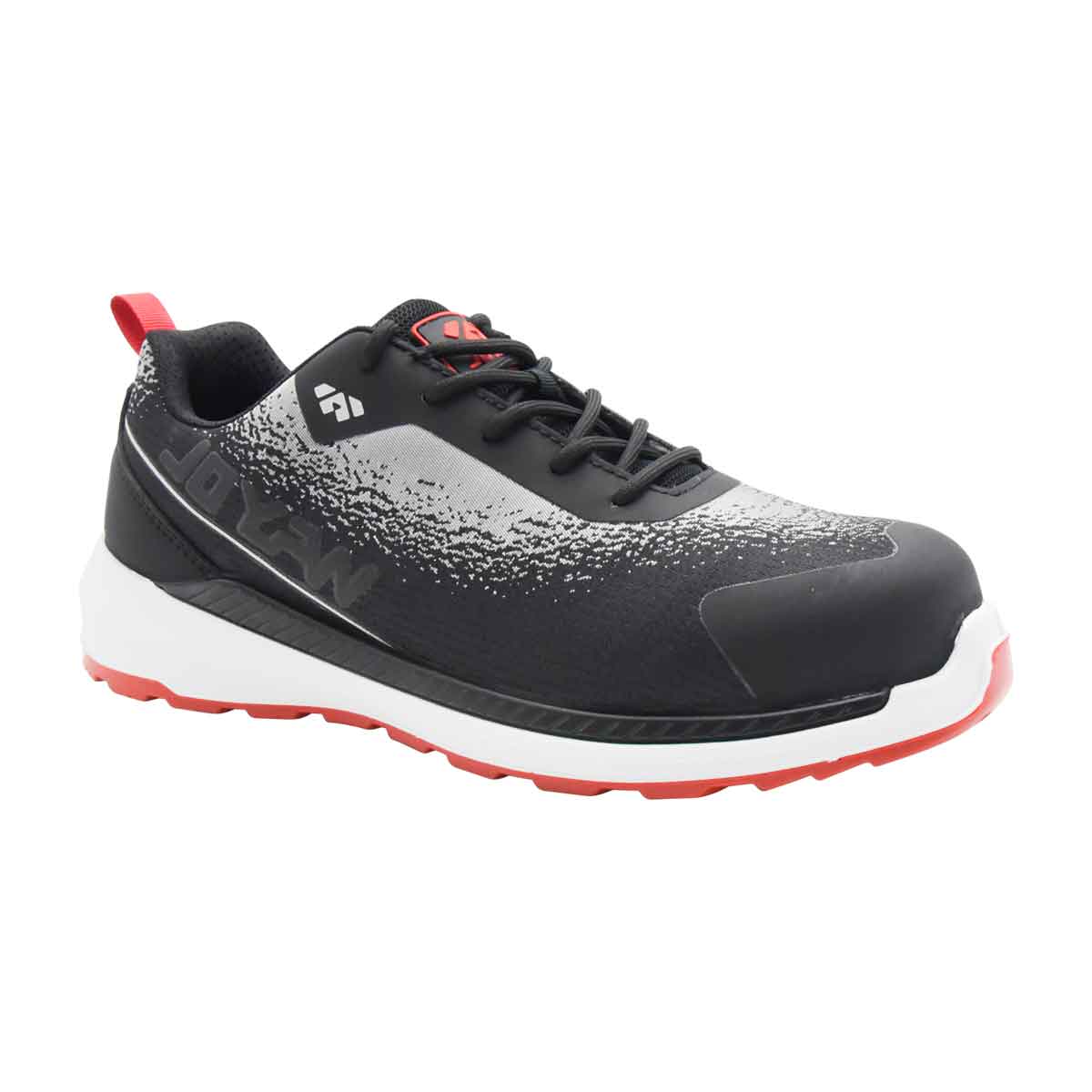
A practical guide for purchasing managers, safety officers, and anyone who buys protective footwear for a team
Why Buying on Price Alone Is the Most Expensive Mistake in PPE Procurement
If you are responsible for purchasing safety footwear for a construction site, factory, or logistics operation, this situation will feel familiar:
Three suppliers quote you the same "S3 safety shoe" — and the prices differ by 30%. The cheap one looks identical to the expensive one: steel toe cap, leather upper, CE marking printed right on the tongue.
Choose the cheap one? Three months later, soles split, toe caps deform, workers complain, and a safety inspection turns up a list of problems. Choose the expensive one? Your CFO asks why you didn't negotiate harder.
The root of the problem: most buyers don't know the difference between "having a certificate" and "having real protective performance" — and they don't know what to look for inside a test report.
This article breaks down the core knowledge of safety shoe selection in one read: what each certification level actually means, why impact protection and puncture protection are NOT the same thing, and which level fits which work environment. By the end, you'll be able to avoid 90% of the classic procurement traps.
EN ISO 20345: Decoding the Levels
The most widely used standard for safety footwear is the European EN ISO 20345. The labels S1, S2, S3 and so on are the protection levels defined by this standard.
Here is the one principle you must understand first: each higher level includes ALL requirements of the level below, plus additional protections. An S3 shoe automatically meets every S2 requirement; an S5 meets every S4 requirement. That means "buying up" is never wrong — the only cost is budget.
Now let's decode each level:
S1 — Basic protection. Steel toe cap (200-joule impact resistance), antistatic properties, and energy-absorbing heel. Suitable for dry indoor environments: warehousing, light assembly, packaging. But note — no water resistance, no oil-resistant outsole.
S2 = S1 + water-resistant upper + water penetration/absorption requirements. Suitable for damp workshops: food processing, cleaning operations. But the outsole is still standard material — on oily floors, an S2 shoe is still dangerous.
S3 = S2 + cleated, slip-resistant outsole + puncture-resistant midsole. This is the workhorse level for outdoor construction, building sites, and logistics/loading operations. The nails and rebar stubs on a construction site are what that puncture-resistant midsole (Kevlar fabric or steel plate) is there for. If your workers are outdoors or around sharp objects, S3 is the starting point, not an optional upgrade.
S4 — Fully waterproof rubber or polymer boot. Injection-molded one-piece waterproof boot, common in chemical plants, fisheries, and municipal drainage. Waterproof shell, but no puncture-resistant midsole.
S5 = S4 + cleated outsole + puncture-resistant midsole. The top of the waterproof-boot range — standard equipment in oilfields, mining, and mud operations.
A one-line selection rule: dry indoor = S1 · damp workshop = S2 · outdoor site = S3 · fully wet environment = S4/S5.
Two additional codes worth knowing:
- P (Puncture-resistant): included in S3/S5, but S1/S2 shoes can also carry it as an add-on.
- SRC: the highest slip-resistance rating (passing BOTH the ceramic tile test SRA and the steel plate test SRB). If your crew works on greasy floors — commercial kitchens, machining shops — look for SRC before anything else.
Impact Protection ≠ Puncture Protection: The Most Confused Pair in Footwear
Many buyers assume "it has a steel toe, so it's safe." That's the second big trap.
The toe cap (impact protection) protects the toes — 200 joules, roughly a 20 kg object falling from 1 meter. Its protection zone covers only the front of the foot.
The midsole (puncture protection) protects the underside of the foot — 1,100 newtons of penetration resistance, against nails, metal chips, and glass shards coming up from the ground.
The injury scenarios are completely different. Match the midsole to your actual site hazards rather than settling for "it has a toe cap."
One more detail: puncture-resistant midsoles come in steel and Kevlar fabric versions. Steel is cheaper but heavier, cold in winter, and subject to metal fatigue at flex points; Kevlar is lighter and more flexible but costs more per pair. Across a container-load order, that per-pair difference adds up to real money — worth a conscious decision, not a default.
Three Quality Signals That Certificates Won't Tell You
A certificate is the floor, not the ceiling. Two S3 shoes from different factories can differ 2x in service life. When inspecting samples, look at these three points:
1. Upper-to-sole construction. Check stitching density (double stitching beats single) and whether the sole is injected-molded or Goodyear welted versus merely glued. The sole-upper bond is where "sole separation" — the most common cause of shoe scrapping — begins.
2. Insole and lining materials. Workers stand for 10 hours a day. Cushioning and breathability determine whether the boot gets worn — and a safety shoe workers refuse to wear provides exactly zero protection. This point cannot be overstated.
3. The Notified Body number on the test report. A legitimate CE certificate can be verified against the certificate number on the Notified Body's official website. Ask every supplier for the original test report without apology — a supplier who won't produce one isn't worth a second conversation.
The 6-Point Procurement Checklist (Bookmark This)
- Define the work environment first, then the certification level — damp = S2+, outdoor site = S3, fully wet = S5;
- Greasy floors: insist on SRC slip-resistance rating;
- Confirm impact protection and puncture protection separately against your site hazards;
- Compare lifespan at the same level: stitching, sole construction, insole quality — not just price;
- Request test reports and verify the certificate number — beware of "certificate farms" where the cert belongs to one factory and the shoes come from another;
- Order samples and run a 2-week wear trial with frontline workers before placing bulk orders.
The right pair of safety shoes protects against more than workplace injuries — it protects against the compensation claims, downtime, and liability that follow an accident. Every yuan saved on PPE can come back as a hundredfold cost in safety.
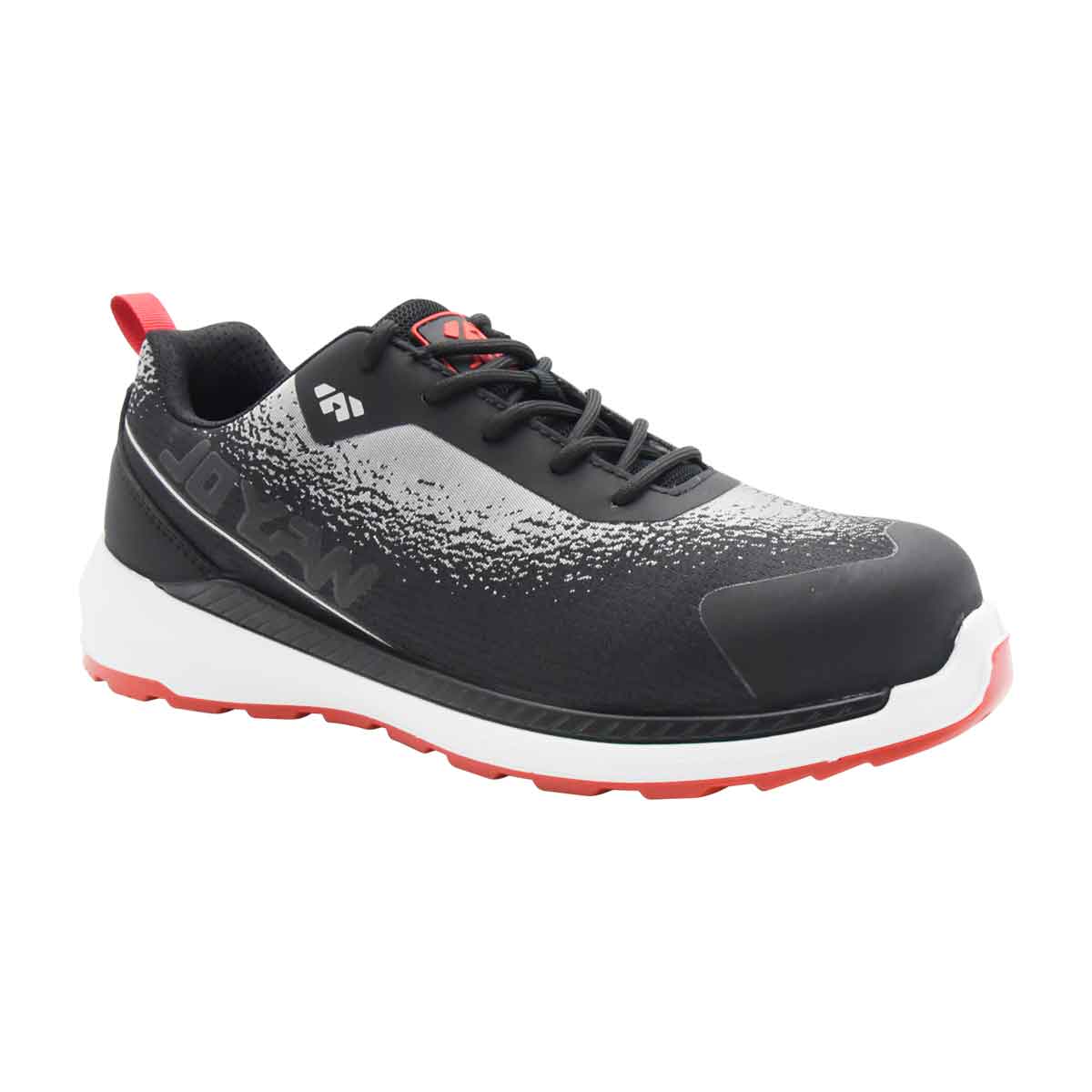 The Shoes Nobody Notices — Until the Day They Matter
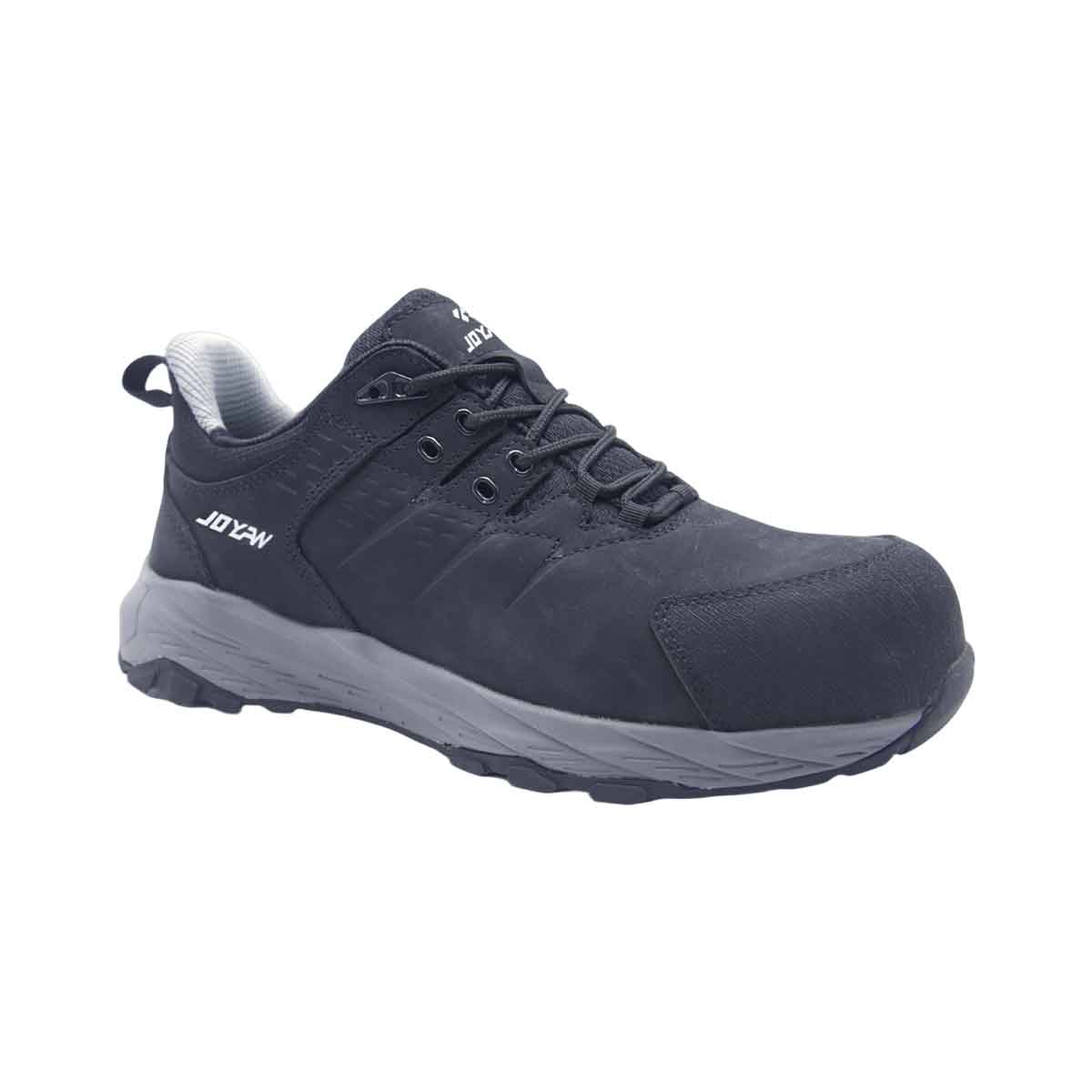 How to Choose the Right Safety Shoes: A Complete Buyer's Guide
 Industry Prospect & Future Trends of Safety Footwear
 Safety Shoes: Solid Protection for Your Daily Work
 Types of safety shoe soles
 What is' outer yard 'and how does it affect container handling efficiency?
 Reasons for delayed customs clearance of goods
 What is MSDS? What is its function?
 Clearance Delay
 What are "sea freight consolidation" and "loss of cabin fee"?
 What is document consistency and how can we effectively achieve document consistency?
 How to save on ocean freight when shipping prices rise?
 Severe congestion! Ship queuing delays up to seven days
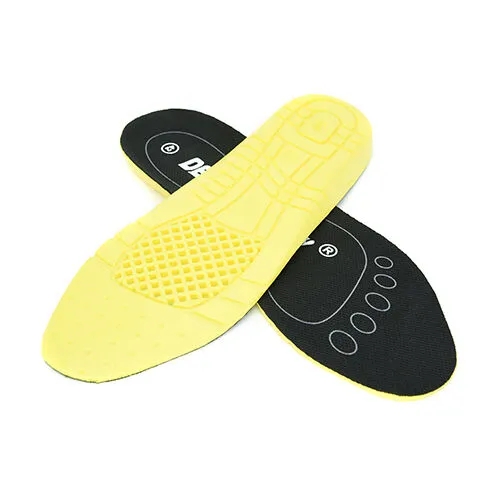 How to prevent work shoes from sweating
 Just Now! Houthi forces attacked four ships in the Indian Ocean and Red Sea
 The Red Sea crisis is butterfly effect
 The port is paralyzed, and the import volume is "0"
 The container has been robbed! Port shutdown, shipping companies stop booking
 It's not safe to go around the Cape anymore!
 Container knowledge popularization