
What are "sea freight consolidation" and "loss of cabin fee"?
What is LCL cargo?
CL CARGO= LESS CONTAINER LOAD, LCL cargo specifically refers to small ticket goods that are not loaded in a full container (20 '/40/45). Usually, bulk cargo consolidation contractors collect goods separately and consolidate them at container freight stations or inland stations. Then, two or more shipments are assembled into one container and delivered separately at the destination container freight station or inland station.
For this type of cargo, the carrier is responsible for the loading and unloading operations, and the loading and unloading fees are still charged to the cargo owner. The carrier's responsibility for LCL cargo is basically the same as traditional general cargo transportation.
What is sea freight LCL demurrage?
In the process of sea freight LCL export, if the goods cannot be shipped in a timely manner after 11:00 noon on the working day before the cut-off date due to the fault of the booking person, resulting in the vacancy of the LCL company's space, the LCL company will charge the booking person a fee to compensate for this loss.
How to calculate the loss of cabin fees?
The calculation of loss of cabin fee is based on the cost of vacant cabin space, and the specific calculation formula is loss of cabin fee=booking billing cubic meter x (FCL ocean freight+FCL port of origin fee)/standard cubic meter.
Common reasons and preventive measures for loss of cabin fees:
(1) The shipper did not have time to enter the warehouse or temporarily cancelled the shipment booking, but the shipper did not cancel the booking in a timely manner. Prevention: Please have the freight forwarder regularly communicate with the shipper before the customs deadline and provide timely feedback. And inform the shipper that he is responsible for notifying, otherwise there will be a loss of cabin fees.
(2) A significant proportion of excess/reduced/overweight. Prevention: Please ask the freight forwarder to request that the shipper's booking and bill of lading be as consistent as possible with the actual goods, and notify promptly if there are any changes.
(3) After entering the warehouse, it was found that the characteristics or specifications of the goods themselves made it impossible to transport, such as "liquids/dangerous goods/oversized and overweight items". Prevention: Please inform the freight forwarder that they do not accept liquids/dangerous goods/semi dangerous goods, and oversized and overweight items must be confirmed in advance.
(4) Customs inspection resulted in delayed shipment. Prevention: Please ask the freight forwarder to require the shipper's customs declaration to be consistent in terms of documents, certificates, and goods. If the customs have any questions, please cooperate with the freight forwarder's customs declaration officer to promptly and clearly respond to the customs. What requirements does the customs have to cooperate as much as possible to ensure timely shipment of goods.
 Industry Prospect & Future Trends of Safety Footwear
 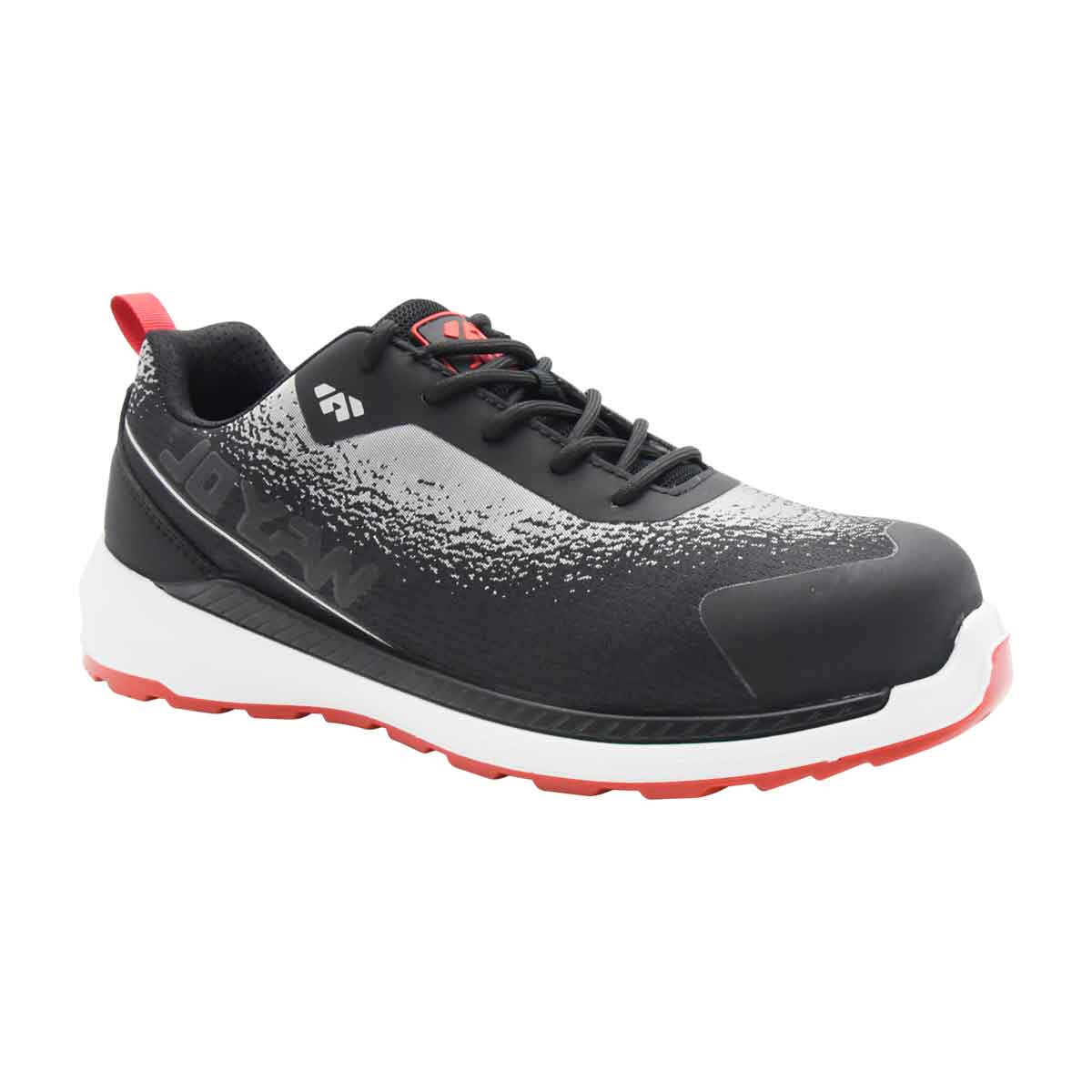 Safety Shoes: Solid Protection for Your Daily Work
  Types of safety shoe soles
  What is' outer yard 'and how does it affect container handling efficiency?
  Reasons for delayed customs clearance of goods
  What is MSDS? What is its function?
  Clearance Delay
  What is document consistency and how can we effectively achieve document consistency?
  How to save on ocean freight when shipping prices rise?
  Severe congestion! Ship queuing delays up to seven days
  How to prevent work shoes from sweating
  Just Now! Houthi forces attacked four ships in the Indian Ocean and Red Sea
  The Red Sea crisis is butterfly effect
  The port is paralyzed, and the import volume is "0"
  The container has been robbed! Port shutdown, shipping companies stop booking
  It's not safe to go around the Cape anymore!
  Container knowledge popularization
  Starting from June 3, 2024, new requirements will be introduced for goods entering EU customs!
  What is certificate of origin? What are the precautions?
  The Red Sea crisis, the Russo-ukrainian conflict and the Panama Canal drought are disrupting global trade