
Container knowledge popularization
author: nina
2024-02-29
A container refers to a large cargo container with certain strength, stiffness, and specifications specifically designed for turnover use. There are many classifications of containers and their uses are also very different.
Container, also known as cargo box or container, is a standardized container freight equipment produced according to specifications. It can be reused and has a certain strength, stiffness, and integrity for mechanical loading and unloading. Due to the convenient transfer and transportation of containers, their dissemination and use around the world have greatly expanded.
The structure of the container is mainly divided into the following parts: steel frame, wavy side wall panels that form the enclosure of the container, floor and its additional beams, opening door leaves and their accessories, and various loading and unloading components. Various components are welded together to form a complete and independent box structure.
The standard container number consists of an 11 digit code and consists of three parts.
The first part consists of four English letters. The first three codes mainly indicate the container owner and operator, while the fourth code indicates the type of container.
The second part consists of 6 digits. It is a registration code for a container, used as a unique identifier for holding a container.
The third part is the verification code, which is obtained by performing verification rules on the first 4 letters and 6 digits, and is used to identify whether an error occurred during verification. That is the 11th digit.
The first part consists of four English letters. The first three codes mainly indicate the container owner and operator, while the fourth code indicates the type of container.
The second part consists of 6 digits. It is a registration code for a container, used as a unique identifier for holding a container.
The third part is the verification code, which is obtained by performing verification rules on the first 4 letters and 6 digits, and is used to identify whether an error occurred during verification. That is the 11th digit.
Common containers and codes:
1) Dry cargo box: Box type code GP; Code 95 42G1 is mainly used for shipping miscellaneous items, usually used for transporting cultural goods, daily necessities, medicine, textiles, handicrafts, chemical products, hardware and electrical appliances, electronic devices, instruments and machine parts, etc.
2) Dry cargo high box: Box type code GH (HC/HQ); Size 95 45G1.
3) Hanging box: Box type code HT; 95 code 42V1; A container suitable for shipping clothing products.
4) Open top box: Box type code OT; Code 95 42U1, this type of container does not have a top and can be loaded and unloaded by a crane. When shipping, the top is covered with waterproof cloth, and its water tightness requirement is the same as that of a dry cargo box. Suitable for loading objects of high volume, such as glass panels.
5) Freezer: Box type code RF; 95 size 42R1, available in both external and internal versions. The temperature can be adjusted between -28 ℃~+26 ℃. The built-in container can start the refrigeration machine freely during transportation to maintain the specified temperature, while the external container must rely on the refrigeration machine equipped on container specific vehicles, ships, specialized yards, and stations for cooling. This type of box is suitable for transporting butter, chocolate, frozen fish, condensed milk, artificial cream, and other items in summer.
3) Hanging box: Box type code HT; 95 code 42V1; A container suitable for shipping clothing products.
4) Open top box: Box type code OT; Code 95 42U1, this type of container does not have a top and can be loaded and unloaded by a crane. When shipping, the top is covered with waterproof cloth, and its water tightness requirement is the same as that of a dry cargo box. Suitable for loading objects of high volume, such as glass panels.
5) Freezer: Box type code RF; 95 size 42R1, available in both external and internal versions. The temperature can be adjusted between -28 ℃~+26 ℃. The built-in container can start the refrigeration machine freely during transportation to maintain the specified temperature, while the external container must rely on the refrigeration machine equipped on container specific vehicles, ships, specialized yards, and stations for cooling. This type of box is suitable for transporting butter, chocolate, frozen fish, condensed milk, artificial cream, and other items in summer.
6) Cold high box: Box type code RH; 95 size 45R1.
7) Oil tank: Tank type code TK; Code 95 42T1, also known as liquid container, is a special container manufactured for transporting liquid goods such as food, drugs, chemicals, etc. Its structure is fixed to a liquid tank within a metal frame.
7) Oil tank: Tank type code TK; Code 95 42T1, also known as liquid container, is a special container manufactured for transporting liquid goods such as food, drugs, chemicals, etc. Its structure is fixed to a liquid tank within a metal frame.
8) Frame box: Box type code FR; Code 95 42P1, without a top or sides, is characterized by loading and unloading from the side of the container. Using overweight goods as the main transportation object, it is also convenient to load livestock, as well as bare cargo such as steel that can be exempted from outer packaging.
The container material is affected by the physical properties of its own metal structure, resulting in poor insulation performance and unstable indoor thermal environment. An additional insulation layer is needed to effectively control the indoor thermal environment; In addition, the container is prone to rusting, and it is necessary to apply anti rust paint on the inside and outside of the container to prevent rusting. It should be noted that international shipping often uses chromate, phosphorus, or lead containing coatings in container paint produced in some countries to prevent the spread of pests and diseases during transportation. Therefore, for some containers, the original residual paint must be polished off to ensure safe use.
 Industry Prospect & Future Trends of Safety Footwear
 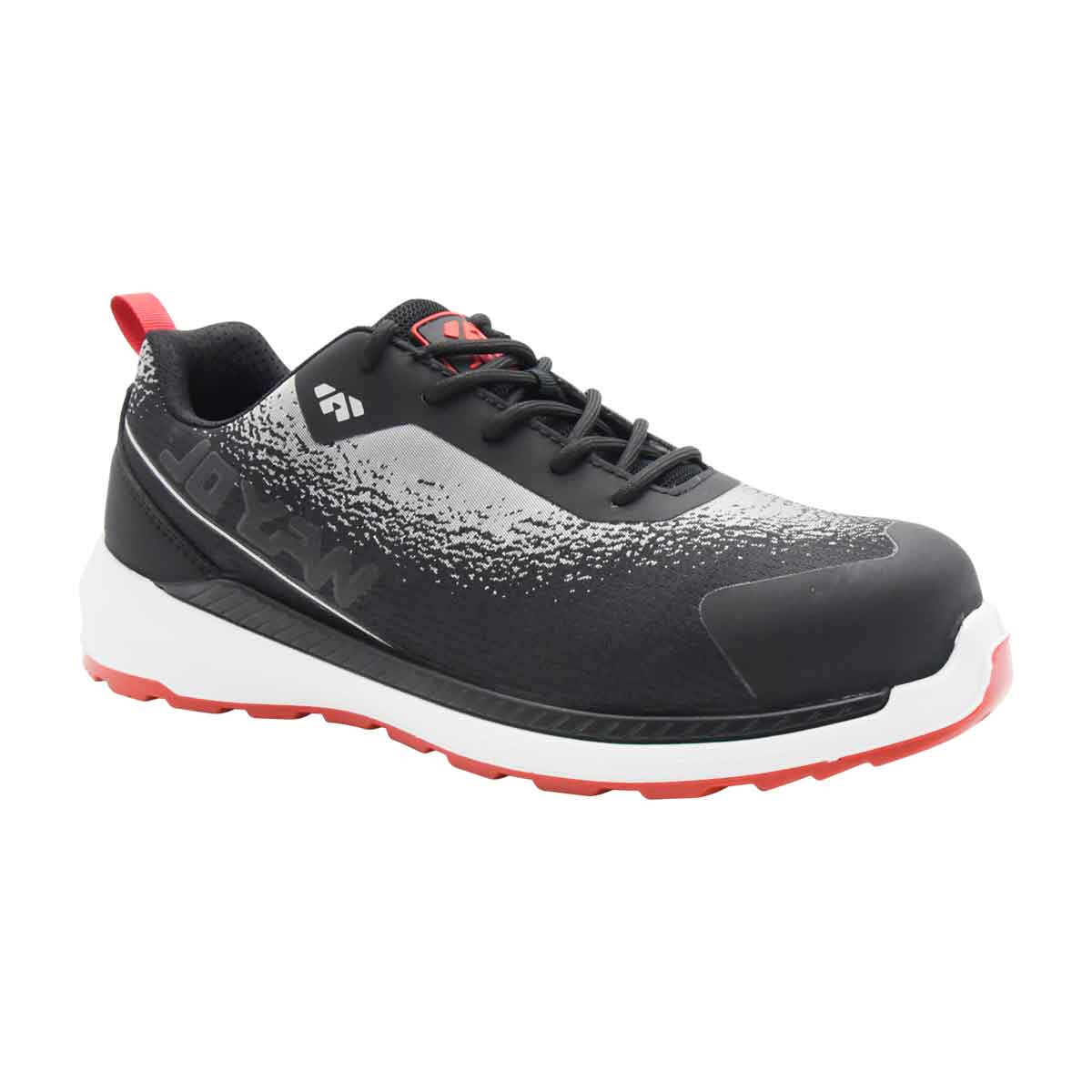 Safety Shoes: Solid Protection for Your Daily Work
  Types of safety shoe soles
  What is' outer yard 'and how does it affect container handling efficiency?
  Reasons for delayed customs clearance of goods
  What is MSDS? What is its function?
  Clearance Delay
  What are "sea freight consolidation" and "loss of cabin fee"?
  What is document consistency and how can we effectively achieve document consistency?
  How to save on ocean freight when shipping prices rise?
  Severe congestion! Ship queuing delays up to seven days
  How to prevent work shoes from sweating
  Just Now! Houthi forces attacked four ships in the Indian Ocean and Red Sea
  The Red Sea crisis is butterfly effect
  The port is paralyzed, and the import volume is "0"
  The container has been robbed! Port shutdown, shipping companies stop booking
  It's not safe to go around the Cape anymore!
  Starting from June 3, 2024, new requirements will be introduced for goods entering EU customs!
  What is certificate of origin? What are the precautions?
  The Red Sea crisis, the Russo-ukrainian conflict and the Panama Canal drought are disrupting global trade