
Types of safety shoe soles
author: Nina
2026-05-14
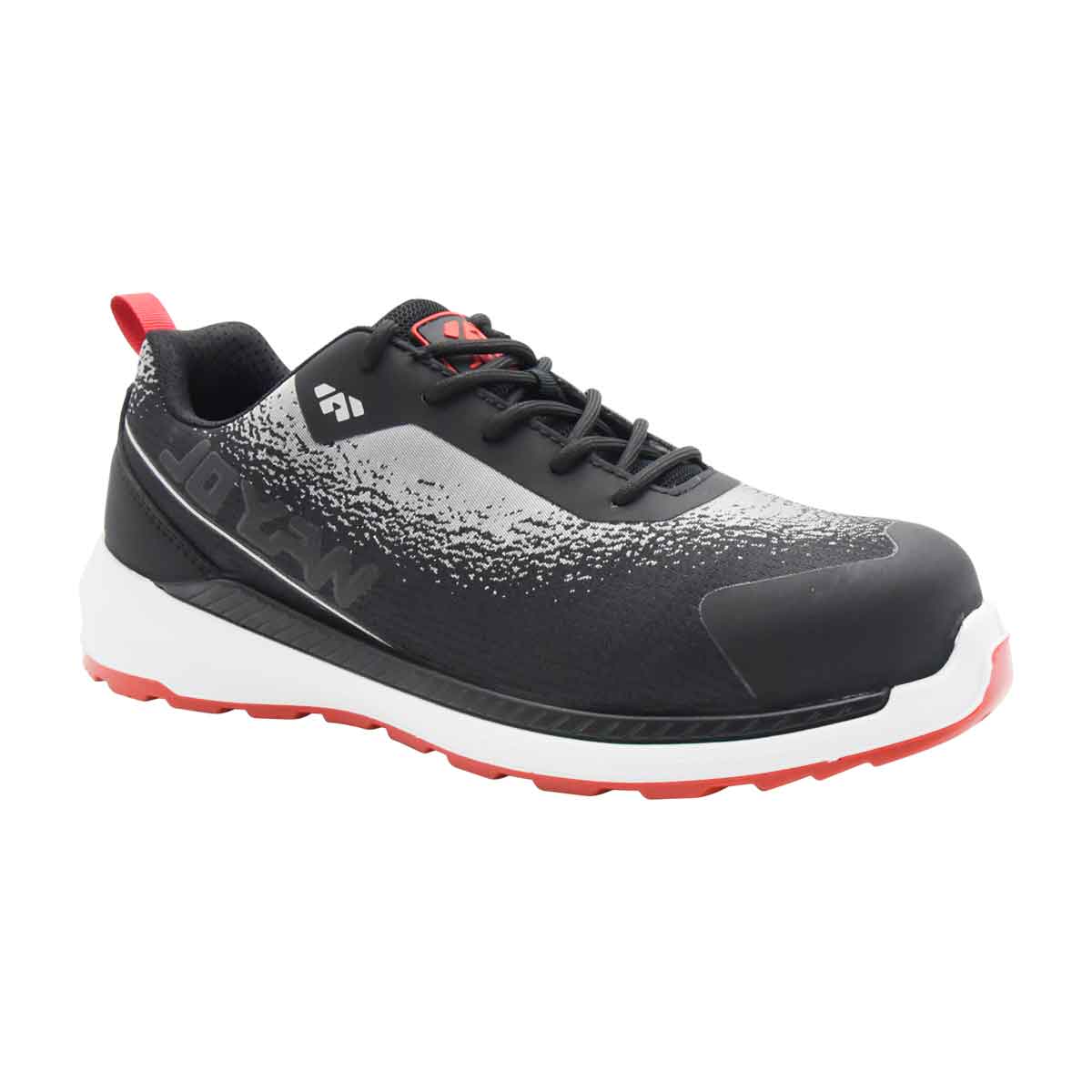
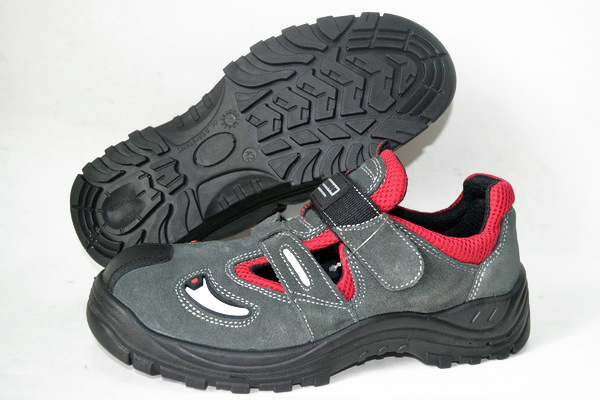
Depending on different work environments, various types of safety shoes are required; therefore, different safety shoes necessitate different sole configurations.
The safety shoe sole, also known as the outsole, can be simply categorized based on materials: natural rubber or synthetic rubber. Common types include all-rubber, vulcanized rubber, or polyvinyl chloride (PVC). The primary functions of the sole are wear resistance, chemical corrosion resistance, thermal insulation, and oil resistance. However, due to the varying properties of materials, their performance may differ. Additionally, safety shoes incorporate steel plates in the sole layers to prevent punctures from nails or hard objects. Certain materials used in soles can also reduce static electricity generation or slow its release, thereby minimizing the risk of explosions or fires caused by static. Beyond the use of anti-slip rubber soles, the design of the sole is crucial for slip resistance. Rubber soles not only offer excellent wear resistance but also provide superior anti-slip performance.
1、 Natural rubber: The advantage of natural rubber is that it is very soft and elastic, suitable for use in various sports shoes. However, the disadvantage is also very obvious, which is that it is not very wear-resistant. Indoor sports shoes often use natural rubber.
2、 Artificial synthetic rubber is divided into wear-resistant rubber, environmentally friendly rubber, air rubber, viscous rubber, hard rubber, and carbon rubber.
(1) Wear resistant rubber: Wear resistant rubber has excellent wear resistance and toughness, making it very durable. This rubber material is generally used on the outsole of tennis shoes.
(2) Environmentally friendly rubber: also known as recycled rubber, this rubber outsole contains up to 10% recycled rubber, mainly for the purpose of environmental protection.
(3) Air rubber: Rubber contains air and has a certain shock-absorbing function, but it is not very wear-resistant and has limited applications.
(4) Viscous rubber: Viscous rubber is characterized by good flexibility and excellent slip resistance, and is generally used on indoor sports shoes.
(5) Hard rubber: Hard rubber is the most comprehensive rubber material in the outsole rubber material, which is tough, anti slip, and wear-resistant, making it widely used. Multi functional shoes and basketball shoes mostly use this type of rubber for the outsole.
(6) Carbon rubber: Carbon elements are added to ordinary rubber materials to make the rubber more tough and wear-resistant. Most running shoes use this type of rubber, and the letters BRS are left on the back of the sole to indicate that carbon rubber is used on the outsole.
(2) Environmentally friendly rubber: also known as recycled rubber, this rubber outsole contains up to 10% recycled rubber, mainly for the purpose of environmental protection.
(3) Air rubber: Rubber contains air and has a certain shock-absorbing function, but it is not very wear-resistant and has limited applications.
(4) Viscous rubber: Viscous rubber is characterized by good flexibility and excellent slip resistance, and is generally used on indoor sports shoes.
(5) Hard rubber: Hard rubber is the most comprehensive rubber material in the outsole rubber material, which is tough, anti slip, and wear-resistant, making it widely used. Multi functional shoes and basketball shoes mostly use this type of rubber for the outsole.
(6) Carbon rubber: Carbon elements are added to ordinary rubber materials to make the rubber more tough and wear-resistant. Most running shoes use this type of rubber, and the letters BRS are left on the back of the sole to indicate that carbon rubber is used on the outsole.
3、 Glued outsole: This type of outsole is not common. The raw material for this outsole is industrial glue, which is stirred by a blender and then heated into a mold to form a soft and very slip resistant outsole.
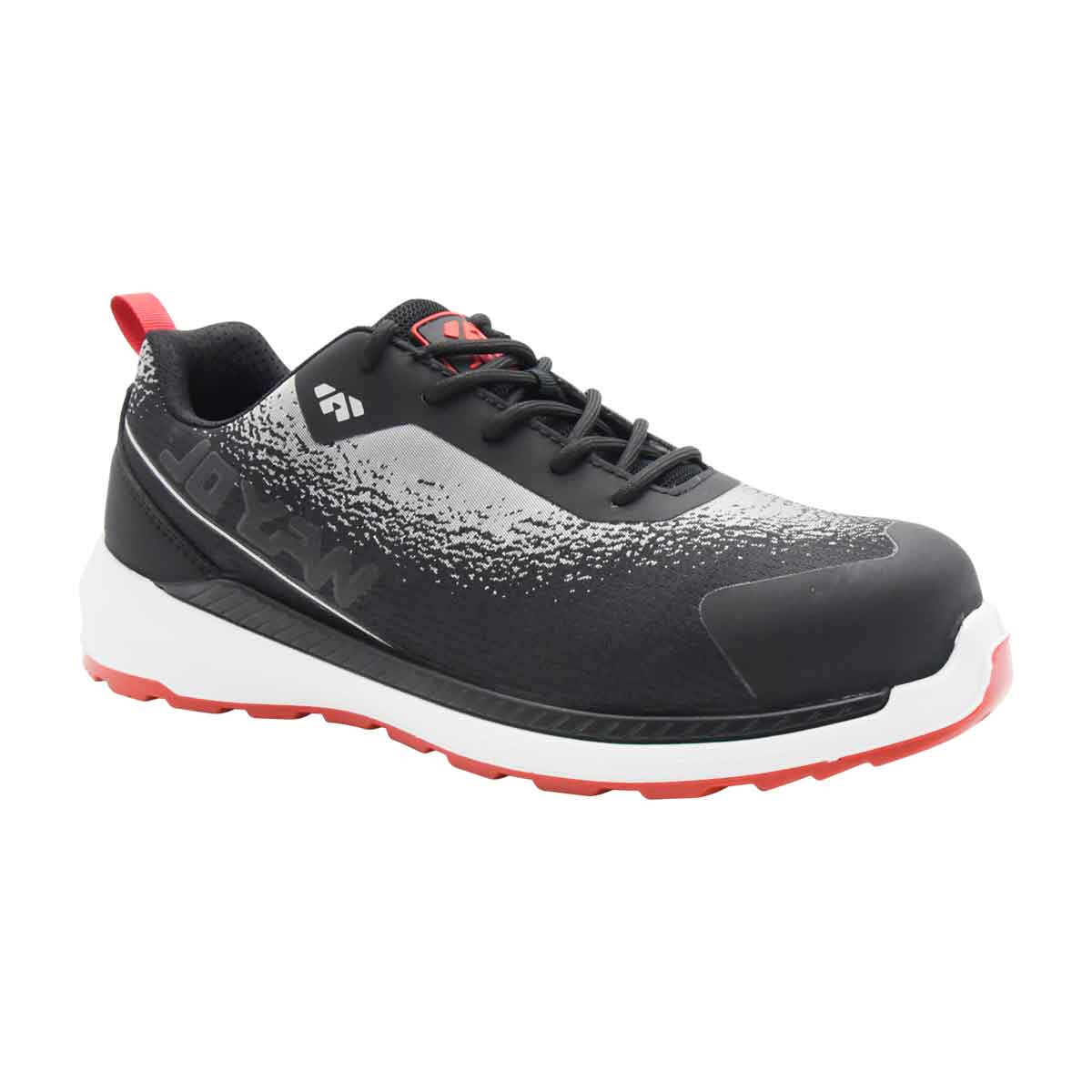
 Industry Prospect & Future Trends of Safety Footwear
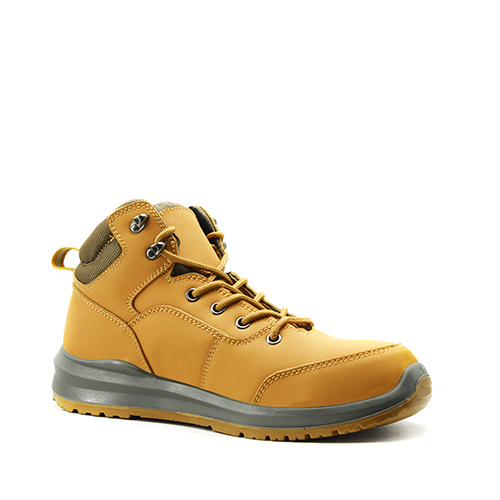
  Safety Shoes: Solid Protection for Your Daily Work
  What is' outer yard 'and how does it affect container handling efficiency?
  Reasons for delayed customs clearance of goods
  What is MSDS? What is its function?
  Clearance Delay
  What are "sea freight consolidation" and "loss of cabin fee"?
  What is document consistency and how can we effectively achieve document consistency?
  How to save on ocean freight when shipping prices rise?
  Severe congestion! Ship queuing delays up to seven days
  How to prevent work shoes from sweating
  Just Now! Houthi forces attacked four ships in the Indian Ocean and Red Sea
  The Red Sea crisis is butterfly effect
  The port is paralyzed, and the import volume is "0"
  The container has been robbed! Port shutdown, shipping companies stop booking
  It's not safe to go around the Cape anymore!
  Container knowledge popularization
  Starting from June 3, 2024, new requirements will be introduced for goods entering EU customs!
  What is certificate of origin? What are the precautions?
  The Red Sea crisis, the Russo-ukrainian conflict and the Panama Canal drought are disrupting global trade