
How to prevent work shoes from sweating
author: Nina
2024-05-23
Foot sweat-potential cause
Although sweating doesn't feel very pleasant, it actually plays an important role in maintaining health: it regulates the body's water balance and temperature, helps eliminate metabolites, and provides a protective acid coat for the skin, prevent the spread of germs.
This condition, known as foot hyperhidrosis or excessive foot sweating, can have many causes, but it's perfectly normal for your feet to sweat more during hot summers, exercise and exercise periods, or during strenuous tasks. However, unhealthy lifestyle factors such as smoking, drinking too much alcohol or coffee, or eating too much salt can also contribute to smelly feet in work shoes. Our emotions can also affect how much we sweat at work, as high levels of stress, tension, anger and anxiety can increase the amount we sweat.
If you notice your feet stink, it may be because you're wearing the wrong work shoes and/or socks. Be sure to choose safety shoes that fit your sweaty feet for your daily routine: these shoes should be the right size for you and should be made of breathable materials that absorb sweat. It's also a good idea to check the position of your feet, because sweaty feet in work shoes can sometimes be caused by dislocation, leading to overuse of the feet.
The importance of foot hygiene can not be underestimated: if you wear work shoes for long periods of time and your feet are wet, or if they are not sufficiently dry after washing, you will create ideal warm and moist conditions for the spread of bacteria and athlete's foot.
Sweating in safety shoes can also be caused by genetics or diseases such as hyperhidrosis, gout, hyperthyroidism and hormonal disorders.
What shoes and socks help keep your feet from sweating?
If you want to wear work shoes that don't sweat or smell, you need the right shoes and socks. Be sure to choose protective footwear that use breathable materials and ventilation to absorb most of the moisture and reduce the amount of sweat left behind. The same goes for socks. Suitable work shoes with sweat protection can be made of micro-suede or leather, while breathable socks can be made of natural fibres such as bamboo, Merino wool or textile mixtures including primary sheared wool.
Socks with silver thread help fight bacteria that produce butyric acid through chemical reactions. Another important factor is shoe size. Be sure to choose safety shoes of the right size and width so that your feet don't squeeze into too little space and prevent uncomfortable pressure points and sweating.
How to prevent sweating in work shoes?
1. Wash your feet every day: Wash your feet with soap every morning and evening, then dry them thoroughly, including between your toes. This will help combat the warm, humid environment on your feet, which is a perfect breeding ground for bacteria and fungi.
2. Change socks every day: Don't try to save money on socks-change a new pair of socks every day and more often if necessary.
3. Dry your shoes completely: your shoes-especially those made of leather-take time to dry and release the moisture they absorb into the environment throughout the day. For example, leather needs to be dried for 24 to 48 hours to regenerate. Wait until the safety shoes are completely dry before wearing them. It is best to stuff your work shoes with newspapers and dry them in a well-ventilated place, but never on or near a heat source, as dry heat can cause leather to become hard and brittle.
4. Change Shoes: invest in two pairs of safety shoes or keep a spare pair next to your shoes so you can wear them interchangeably, giving your shoes enough time to regrow. They should be changed regularly and, if very dirty, washed by hand at 30 °C.
5. Use Shoe deodorant or shoe sanitizer: If you sweat a lot at work, you can use shoe deodorant every day. Simply Spray 5 to 10 pumps of the solution under the sole and insole in a well-ventilated area and let dry for 15 minutes. For severely affected footwear, treatment is recommended three times a week.
6. Try Foot Baths: simple home remedies, such as traditional foot baths with antibacterial additives, are another way to wear safety shoes to combat sweaty feet. You can use home ingredients such as baking soda, ginger, black tea, and vinegar to provide antibacterial properties for your foot bath.
7. Barefoot: Take Off Your Shoes when you're not working and let your feet breathe.
8. Use Sage leaves: Sage is a natural deodorant that has a pleasant scent and can be put in shoes.
 Industry Prospect & Future Trends of Safety Footwear
 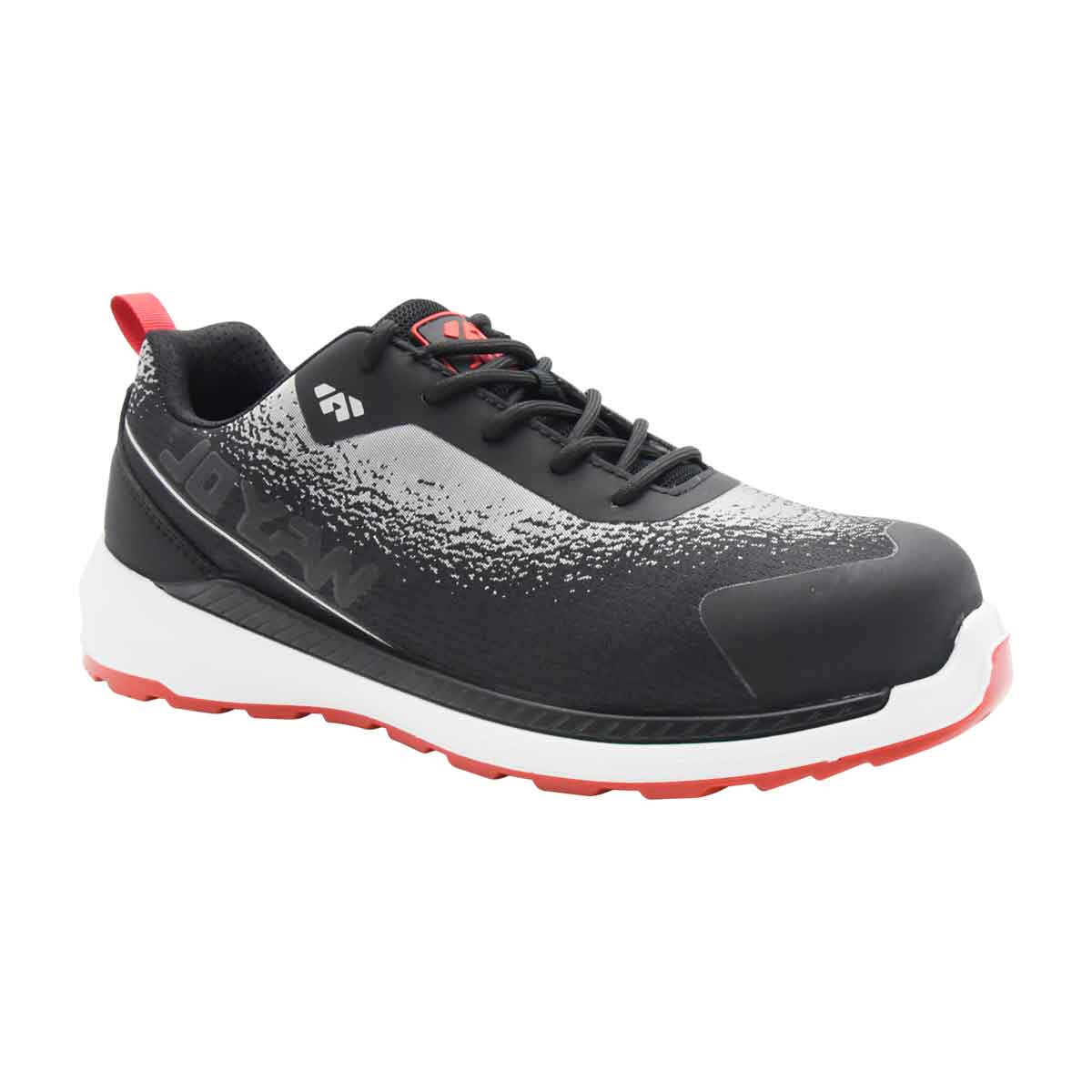 Safety Shoes: Solid Protection for Your Daily Work
  Types of safety shoe soles
  What is' outer yard 'and how does it affect container handling efficiency?
  Reasons for delayed customs clearance of goods
  What is MSDS? What is its function?
  Clearance Delay
  What are "sea freight consolidation" and "loss of cabin fee"?
  What is document consistency and how can we effectively achieve document consistency?
  How to save on ocean freight when shipping prices rise?
  Severe congestion! Ship queuing delays up to seven days
  Just Now! Houthi forces attacked four ships in the Indian Ocean and Red Sea
  The Red Sea crisis is butterfly effect
  The port is paralyzed, and the import volume is "0"
  The container has been robbed! Port shutdown, shipping companies stop booking
  It's not safe to go around the Cape anymore!
  Container knowledge popularization
  Starting from June 3, 2024, new requirements will be introduced for goods entering EU customs!
  What is certificate of origin? What are the precautions?
  The Red Sea crisis, the Russo-ukrainian conflict and the Panama Canal drought are disrupting global trade