
The Shoes Nobody Notices — Until the Day They Matter
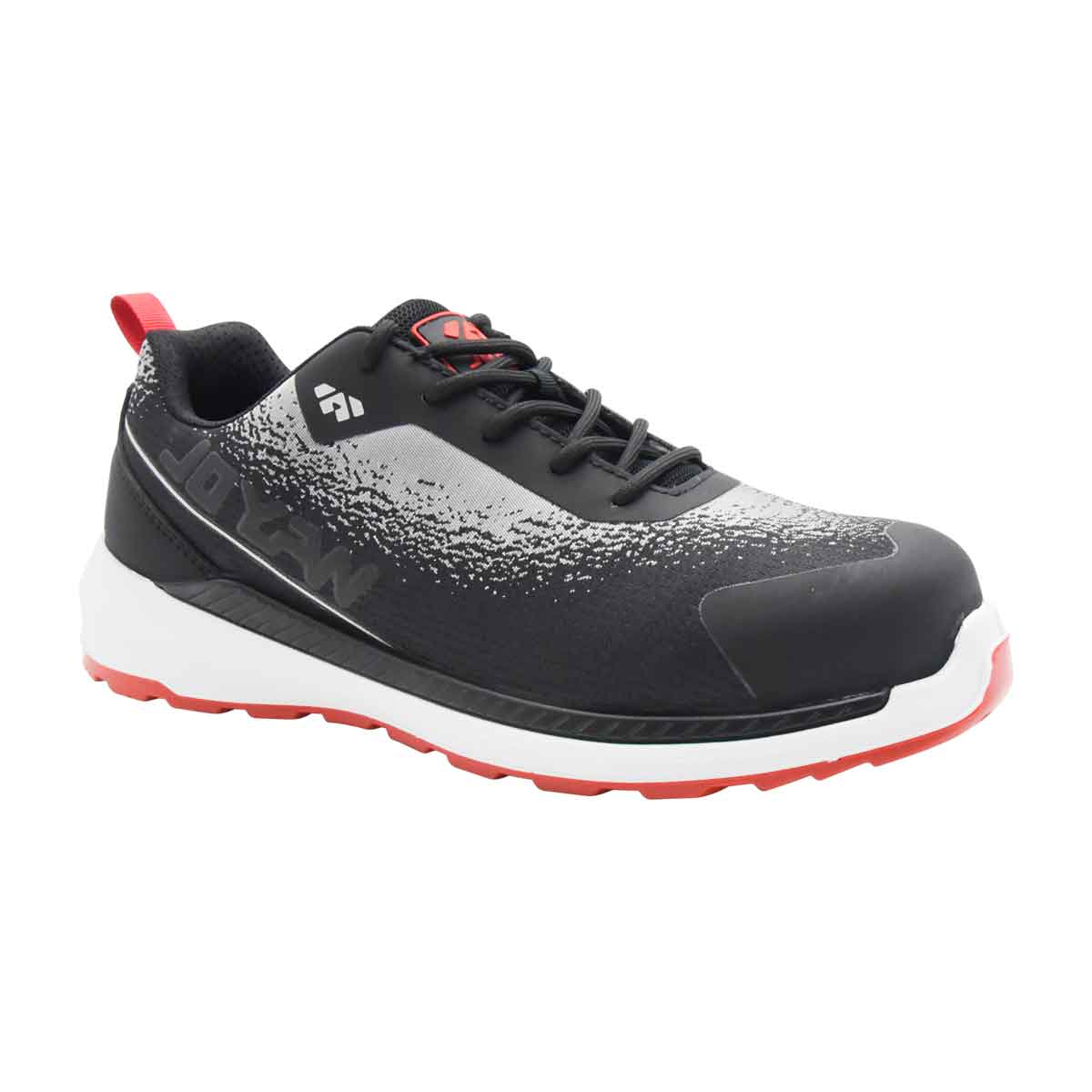
In every workshop, the most visible pieces of safety equipment are always the same: hard hats, hi-vis vests, safety goggles. They appear in the safety posters, in the onboarding slides, in the first lesson of every training session.
The shoes on everyone's feet? Almost nobody pays attention.
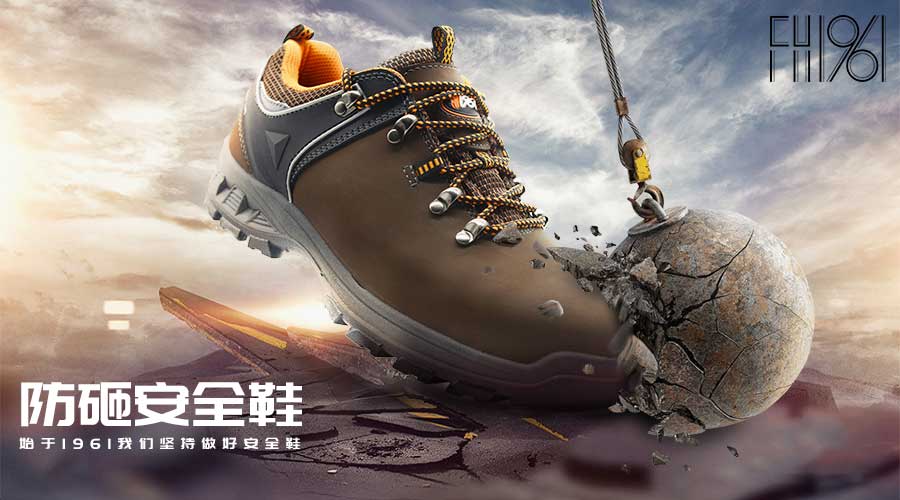
Until — as a veteran machine-shop worker of nearly two decades recalled one afternoon — a steel plate weighing over a dozen kilograms slid off its rack. He twisted his body away in time, but not his foot. As the plate came down, there was a crack — and when he looked down, the steel plate was resting diagonally on his shoe, the toe cap caved inward.
The steel toe cap had deformed. His toes were fine.
"I kept that pair for a long time. Couldn't bring myself to throw it away," he said later, in the calm voice of someone telling somebody else's story. "Some evenings I'd look at it and think — you spend all day complaining this thing is stiff and heavy and hot. But in that one second, it was the entire distance between me and a wheelchair."
Safety shoes may be the cheapest insurance on any worksite — and the most commonly skipped one.
Managers will invest millions in equipment and schedule hours of safety training, yet when it comes to protective footwear, they haggle over every cent. But the numbers don't lie: foot injuries have long held a significant share of workplace accident statistics worldwide, and the vast majority of them — nail penetrations, falling objects, slips and sprains — are entirely preventable with a pair of safety shoes certified to EN ISO 20345.
What does a certified safety shoe actually give you?
- 200-joule toe cap protection — a 20 kg object dropped from 1 meter, and your toes walk away unharmed;
- An anti-penetration midsole rated ≥1,100 N — nails and rebar stubs can't get through a defense line you can't even see;
- Slip-resistant, oil-resistant, heat-resistant outsoles — killing the "small accidents" before they happen.
It doesn't have the ceremony of a hard hat or the visibility of a training session. It simply wraps around your feet, quietly, day after day. A worker can wear it for ten hours and never think about what it's waiting for.
It's waiting for the one-in-a-million day.
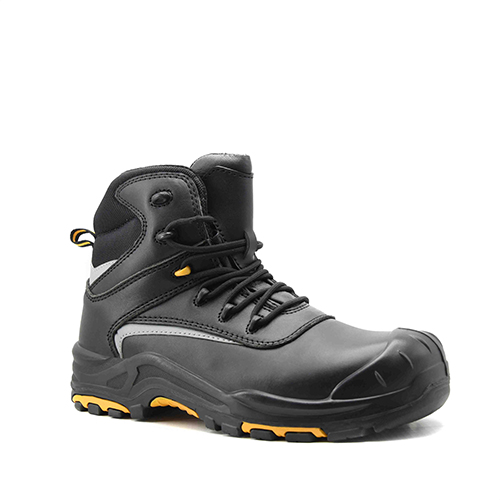
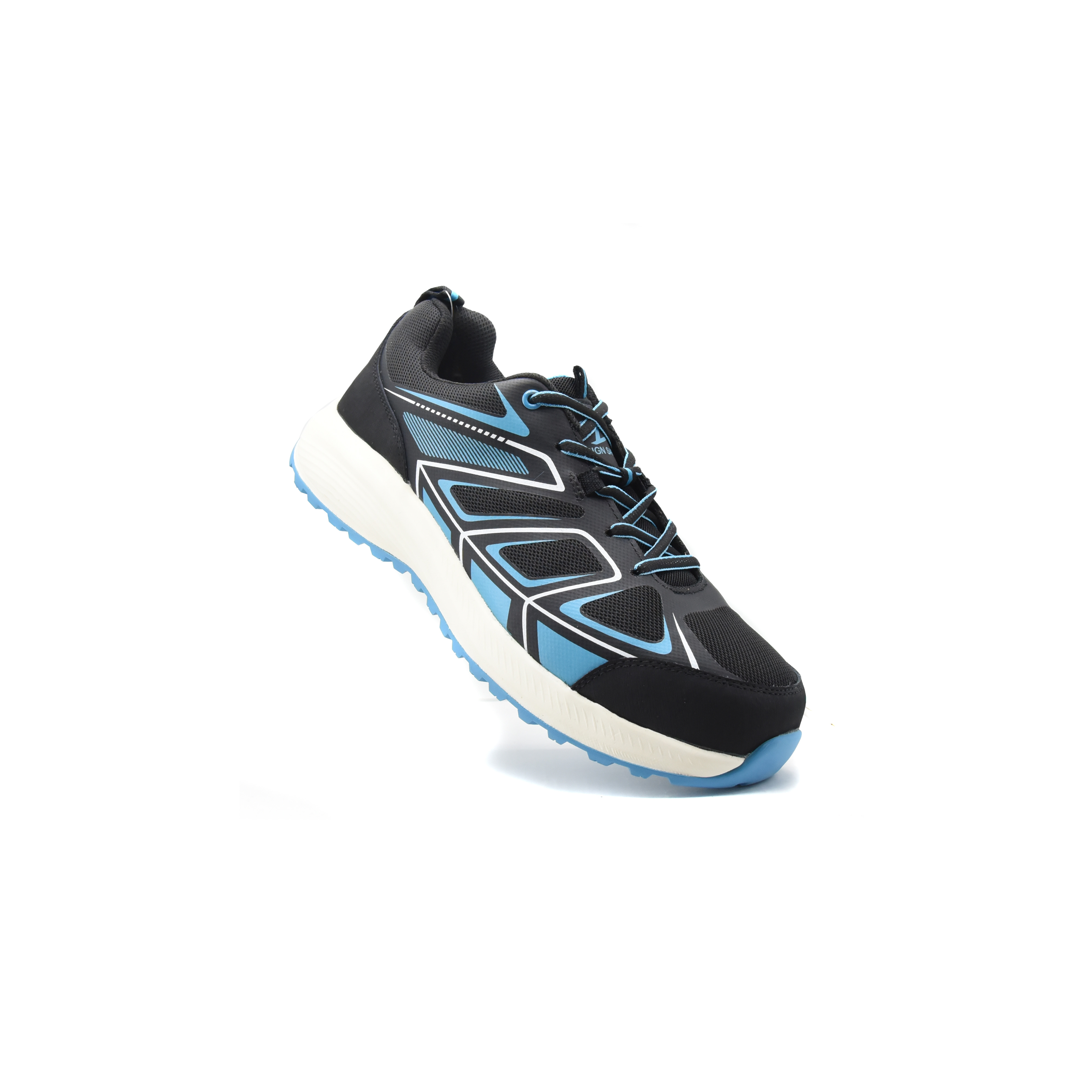
And for the buyer, choosing good safety shoes isn't complicated: check the standard (S3 / S3S), the toe cap (steel or composite), the midsole (anti-penetration), the outsole (slip and oil resistant). Get those four right, and the rest is fit and comfort — because an uncomfortable safety shoe is the number one reason workers take it off.
After years in safety footwear manufacturing, our proudest moments have never been the biggest orders. They're the after-sales messages like this one:
"A lifting piece slipped in the workshop last week and landed on a worker's foot. The toe cap dented. He was fine."
Behind every such message: an accident that never happened, a family that stayed whole, a factory that never stopped.
The best safety shoe is the one where nothing ever happens.
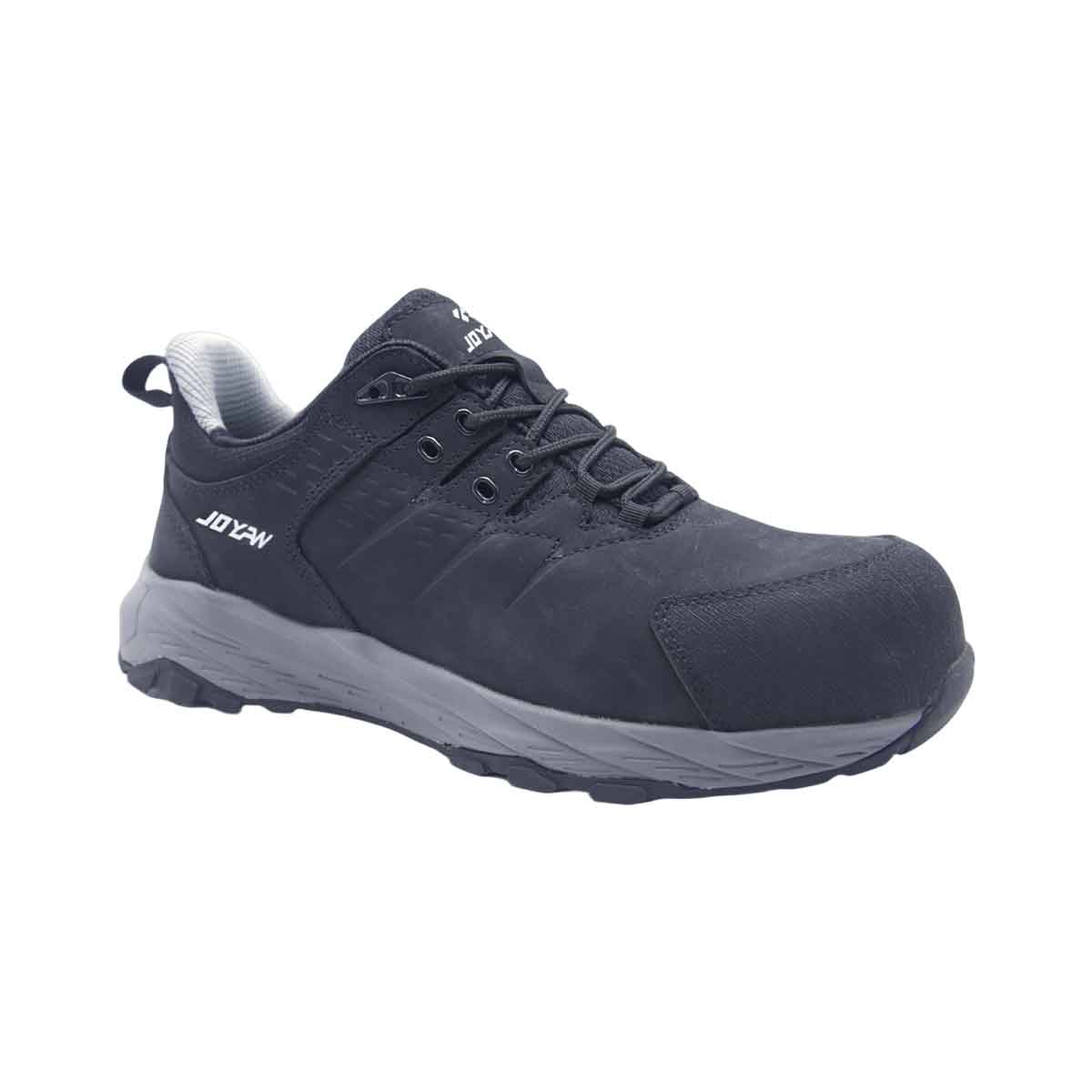 How to Choose the Right Safety Shoes: A Complete Buyer's Guide
 Industry Prospect & Future Trends of Safety Footwear
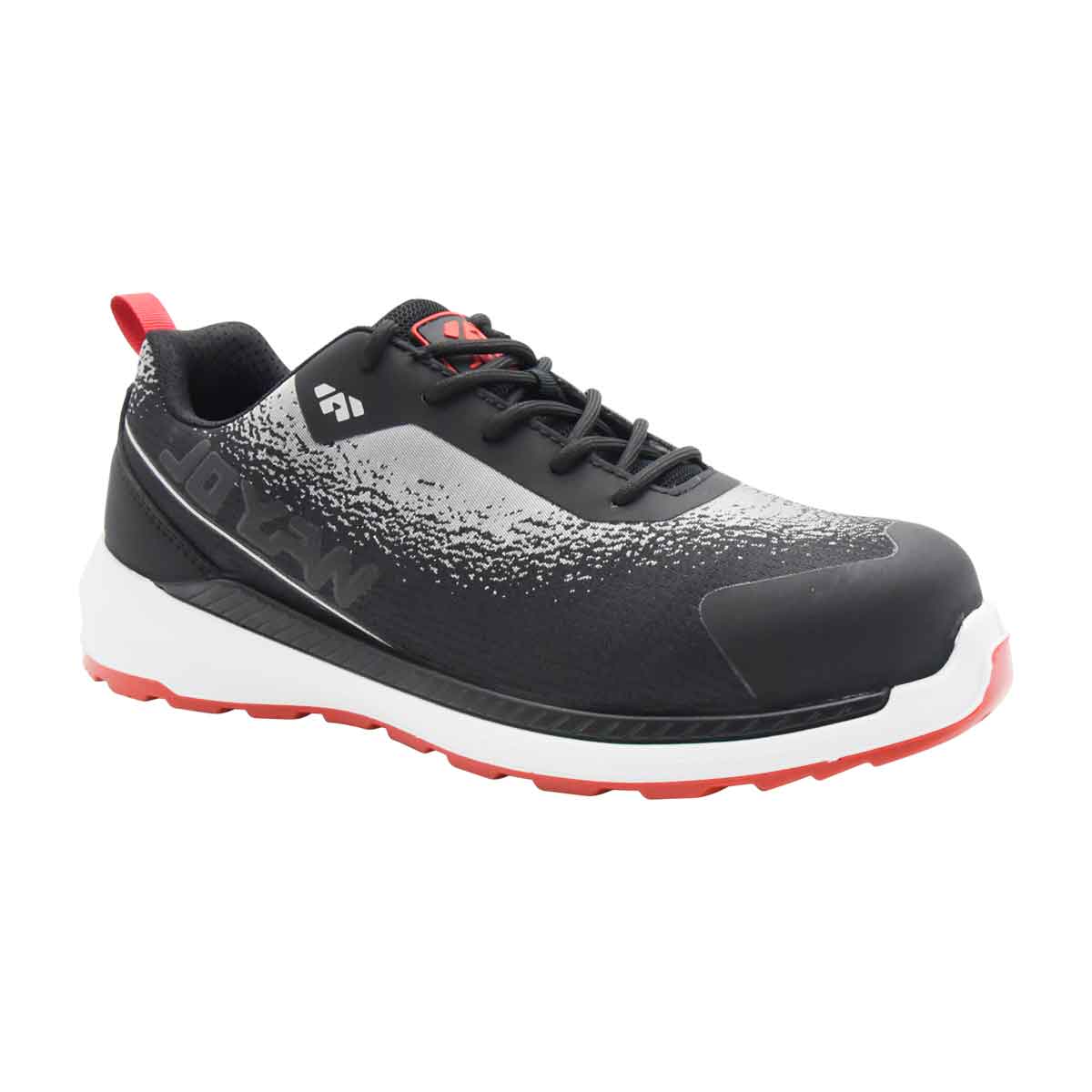 Safety Shoes: Solid Protection for Your Daily Work
 Types of safety shoe soles
 What is' outer yard 'and how does it affect container handling efficiency?
 Reasons for delayed customs clearance of goods
 What is MSDS? What is its function?
 Clearance Delay
 What are "sea freight consolidation" and "loss of cabin fee"?
 What is document consistency and how can we effectively achieve document consistency?
 How to save on ocean freight when shipping prices rise?
 Severe congestion! Ship queuing delays up to seven days
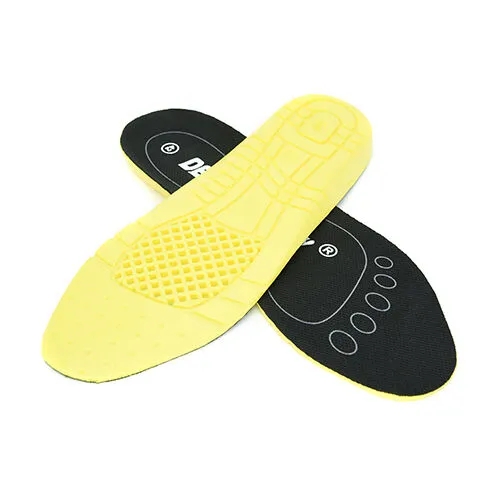 How to prevent work shoes from sweating
 Just Now! Houthi forces attacked four ships in the Indian Ocean and Red Sea
 The Red Sea crisis is butterfly effect
 The port is paralyzed, and the import volume is "0"
 The container has been robbed! Port shutdown, shipping companies stop booking
 It's not safe to go around the Cape anymore!
 Container knowledge popularization
 Starting from June 3, 2024, new requirements will be introduced for goods entering EU customs!