
How to Choose the Right Safety Shoes: A Complete Buyer's Guide
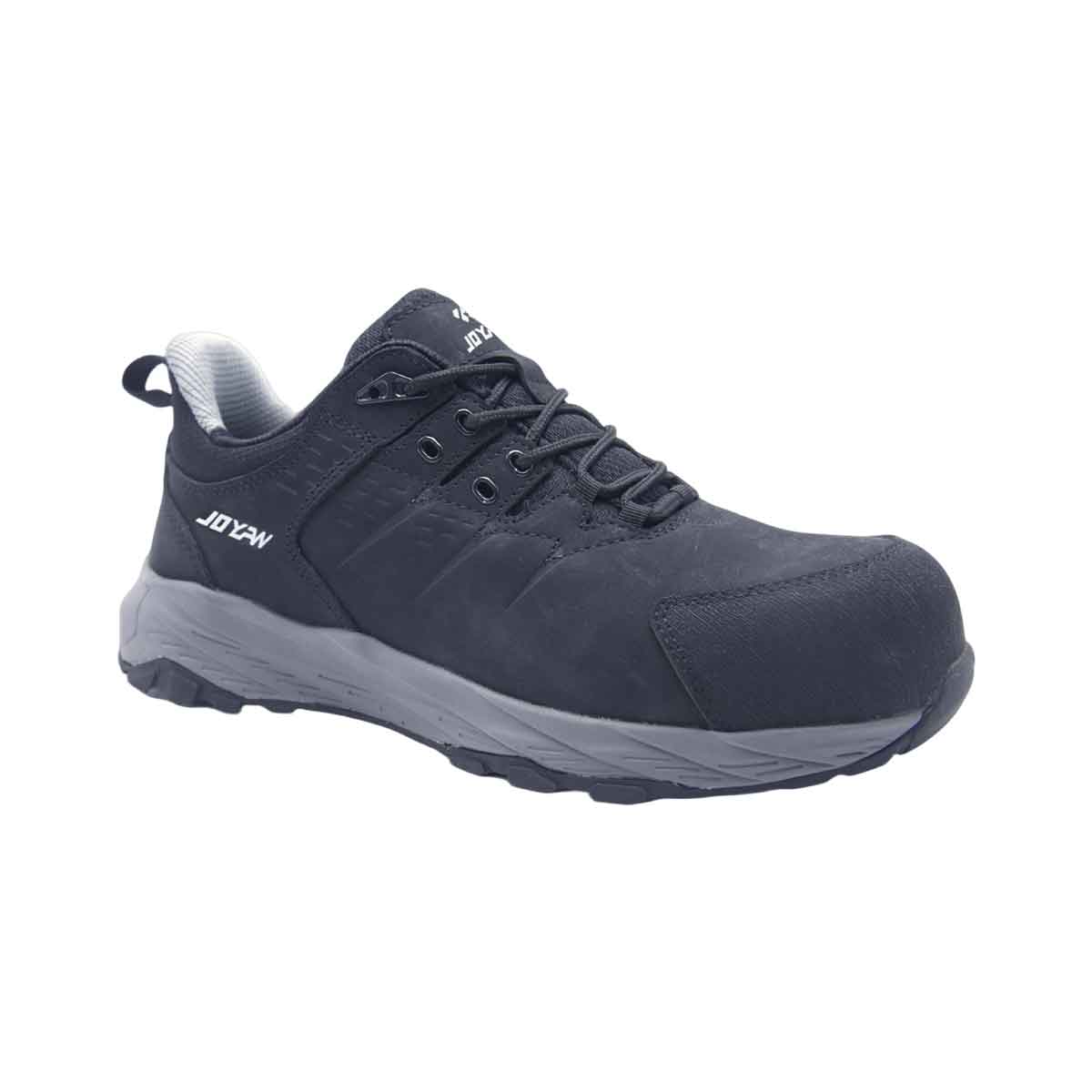
Every year, foot injuries account for a significant share of workplace accidents worldwide — and most of them are preventable with one simple piece of equipment: a properly chosen pair of safety shoes.
But walk into any safety footwear market and you'll face a wall of confusing labels: S1, S2, S3, SBP, composite toe, steel toe, anti-penetration, ESD… Choosing wrong doesn't just waste money — it leaves workers exposed.
This guide breaks down exactly how to choose safety shoes that match your worksite, your budget, and your compliance requirements.
1. Start with the Standard: What Does EN ISO 20345 Mean?
EN ISO 20345 is the international benchmark for protective footwear. If a supplier's shoes don't meet it, walk away. The most common ratings:
|
Class |
Meaning |
Typical Use |
|
SB |
Basic toe protection (200J) |
Light assembly, warehousing |
|
S1 |
SB + antistatic + energy absorption |
Indoor factories, logistics |
|
S2 |
S1 + water-resistant upper |
Food processing, damp indoor areas |
|
S3 |
S2 + anti-penetration plate + cleated sole |
Construction, outdoor worksites |
|
S1P / S3 HRO |
Heat-resistant outsole (300°C) |
Foundries, welding, steel plants |
Quick rule of thumb: indoor dry environments → S1; wet or outdoor environments → S3. In the US, look for ASTM F2413 instead; both standards are widely accepted by international buyers.
2. Toe Cap: Steel vs. Composite
- Steel toe cap — the industry standard. Maximum impact protection, thinner profile, lower cost. Slightly heavier and conducts temperature.
- Composite toe cap — non-metallic (fiberglass, carbon fiber). Lighter, doesn't conduct heat or cold, metal-free (ideal for security checkpoints and electrical work). Typically 20–30% more expensive.
Both must withstand the same 200-joule impact test under EN ISO 20345. The choice is about comfort, climate, and cost — not protection level.
3. Midsole: Anti-Penetration Is Non-Negotiable on Site
A nail can exert penetration force of over 700 N — far more than a standard sole resists. If your workers walk on construction sites, scrap yards, or renovation zones, an anti-penetration midsole (P rating, resisting ≥1,100 N) is mandatory, not optional.
4. Outsole: Match It to Your Floor
- Slip resistance (SR/SRA/SRB): oily workshops need SRB-rated soles.
- Heat resistance (HRO): outsole withstands 300°C contact heat — essential for foundries and asphalt work.
- Antistatic (A) vs. ESD: antistatic dissipates general static; true ESD footwear offers controlled resistance (0.1–100 MΩ) for electronics manufacturing.
5. Upper Material: Leather, Suede, or Flyknit?
- Full-grain leather — durable, water-resistant when treated, best lifespan. The default for construction and heavy industry.
- Suede/nubuck — softer look, popular for logistics and light industry.
- Flyknit/microfiber — the fast-growing segment: 40% lighter, breathable, sneaker-like comfort. Ideal for warehouse and e-commerce workers who wear shoes 10+ hours a day.
6. Fit and Comfort: The Factor Buyers Always Underestimate
Studies show uncomfortable PPE is the #1 reason workers remove or swap it. When evaluating samples:
- Check for a wide toe box — cramped toes cause injuries too.
- Demand a shock-absorbing heel (energy absorption, E rating) for workers on concrete all day.
- Ask about breathability lining (Cambrelle or similar) for hot climates.
- Sizes should run EU 36–48 to cover your entire workforce.
7. Don't Forget Certification Documents
For importers and project buyers, the shoes are only half the story. Before placing an order, confirm your supplier provides:
- ✅ Valid CE certificate (Module B + Module C2/D) under EU Regulation 2016/425
- ✅ Test reports from an EU notified body (e.g., SATRA, CTC, Intertek)
- ✅ Batch-level quality inspection reports
- ✅ Marking and user instructions compliant with the standard
Conclusion: A Simple Decision Checklist
- What hazards exist? (impact, penetration, water, heat, static)
- Pick the class: dry indoor → S1, wet/outdoor → S3
- Steel or composite toe based on climate and budget
- Match outsole to the floor conditions
- Verify certificates before paying the deposit
Choosing safety shoes isn't complicated once you know the system — and getting it right protects both your people and your business.
Looking for a factory-direct supplier? TOPSAFETY manufactures EN ISO 20345 certified safety footwear with OEM/ODM support, low MOQ trial orders, and full certification documentation. Contact us for a free sample catalog.
 Industry Prospect & Future Trends of Safety Footwear
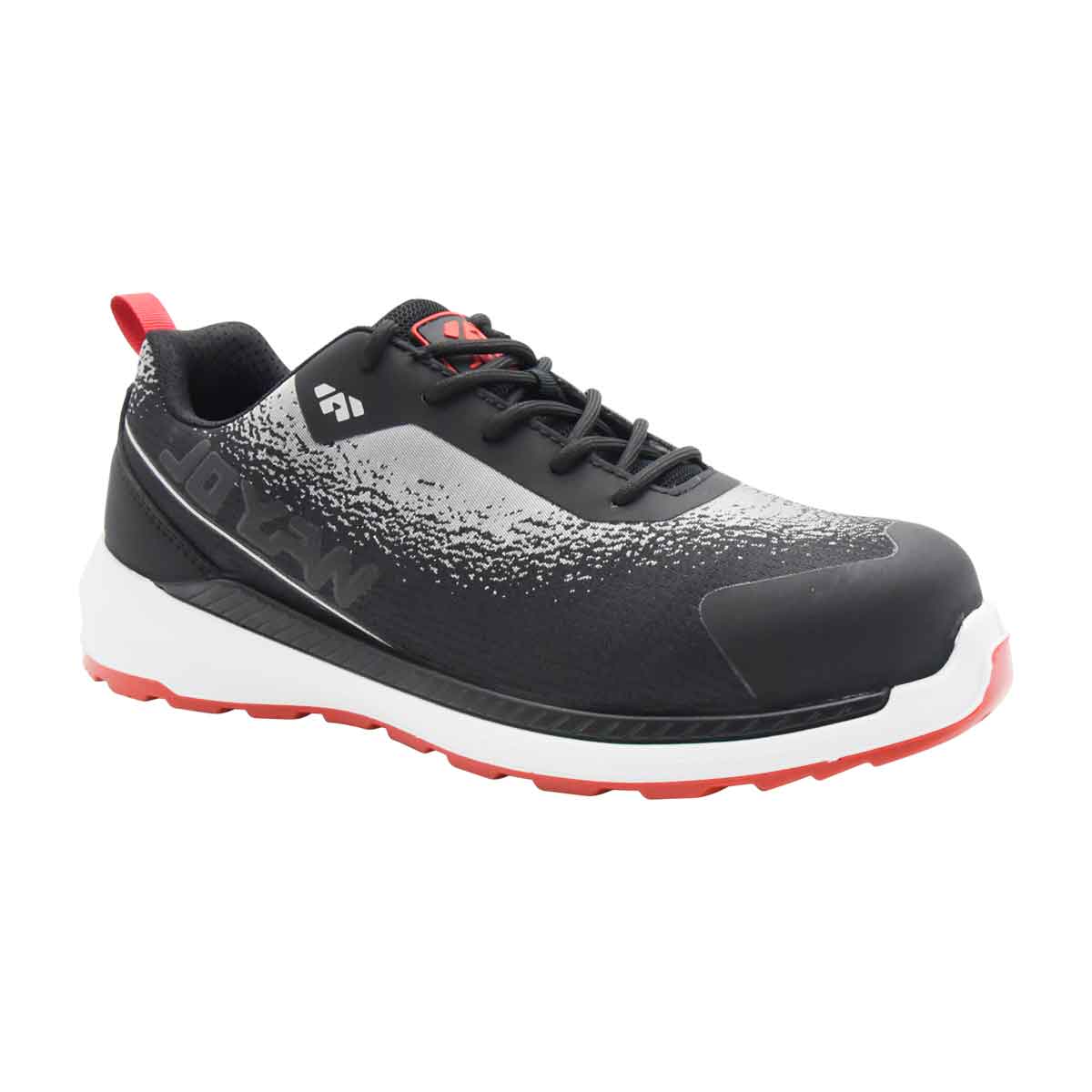 Safety Shoes: Solid Protection for Your Daily Work
 Types of safety shoe soles
 What is' outer yard 'and how does it affect container handling efficiency?
 Reasons for delayed customs clearance of goods
 What is MSDS? What is its function?
 Clearance Delay
 What are "sea freight consolidation" and "loss of cabin fee"?
 What is document consistency and how can we effectively achieve document consistency?
 How to save on ocean freight when shipping prices rise?
 Severe congestion! Ship queuing delays up to seven days
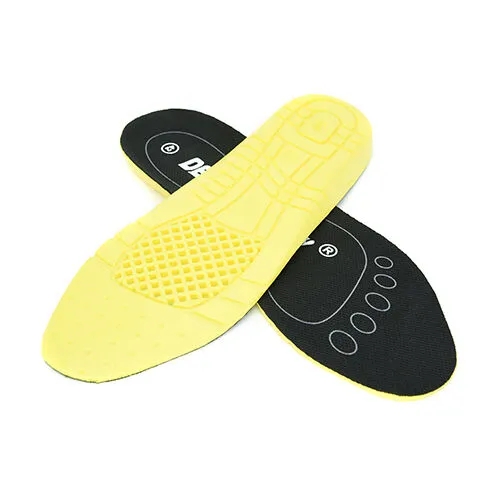 How to prevent work shoes from sweating
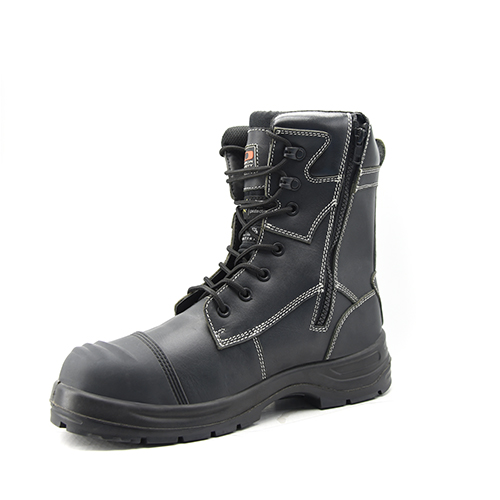 Just Now! Houthi forces attacked four ships in the Indian Ocean and Red Sea
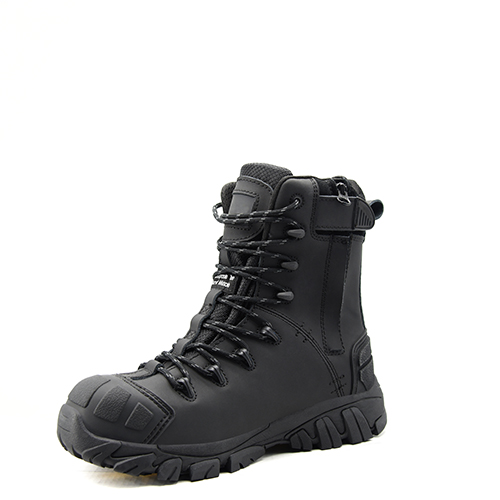 The Red Sea crisis is butterfly effect
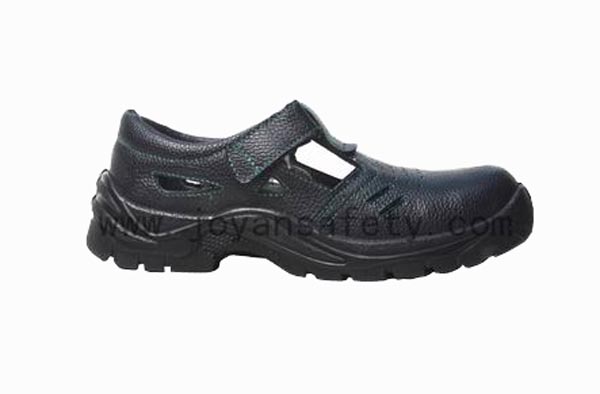 The port is paralyzed, and the import volume is "0"
 The container has been robbed! Port shutdown, shipping companies stop booking
 It's not safe to go around the Cape anymore!
 Container knowledge popularization
 Starting from June 3, 2024, new requirements will be introduced for goods entering EU customs!
 What is certificate of origin? What are the precautions?